Same-day delivery, just-in-time computing, instagrammable art, attention span, AI assistants. In the global north, life and work have converged around an obsession with immediacy – a techno-fascist paradigm where a rhetoric of speed, optimisation and measurable output flattens affective experience, devalues interpersonal contact and fuels extractive platforms. Lestes invites audiences to slow down and immerse themselves in the messy feeling of intimately sensing another body: an experience of intercorporeal vulnerability.
Lestes is a sound installation for a gallery space that functions in two modalities: as a standalone interactive work open to public fruition and as a living installation activated by a performer at given times for brief, one-on-one performances.
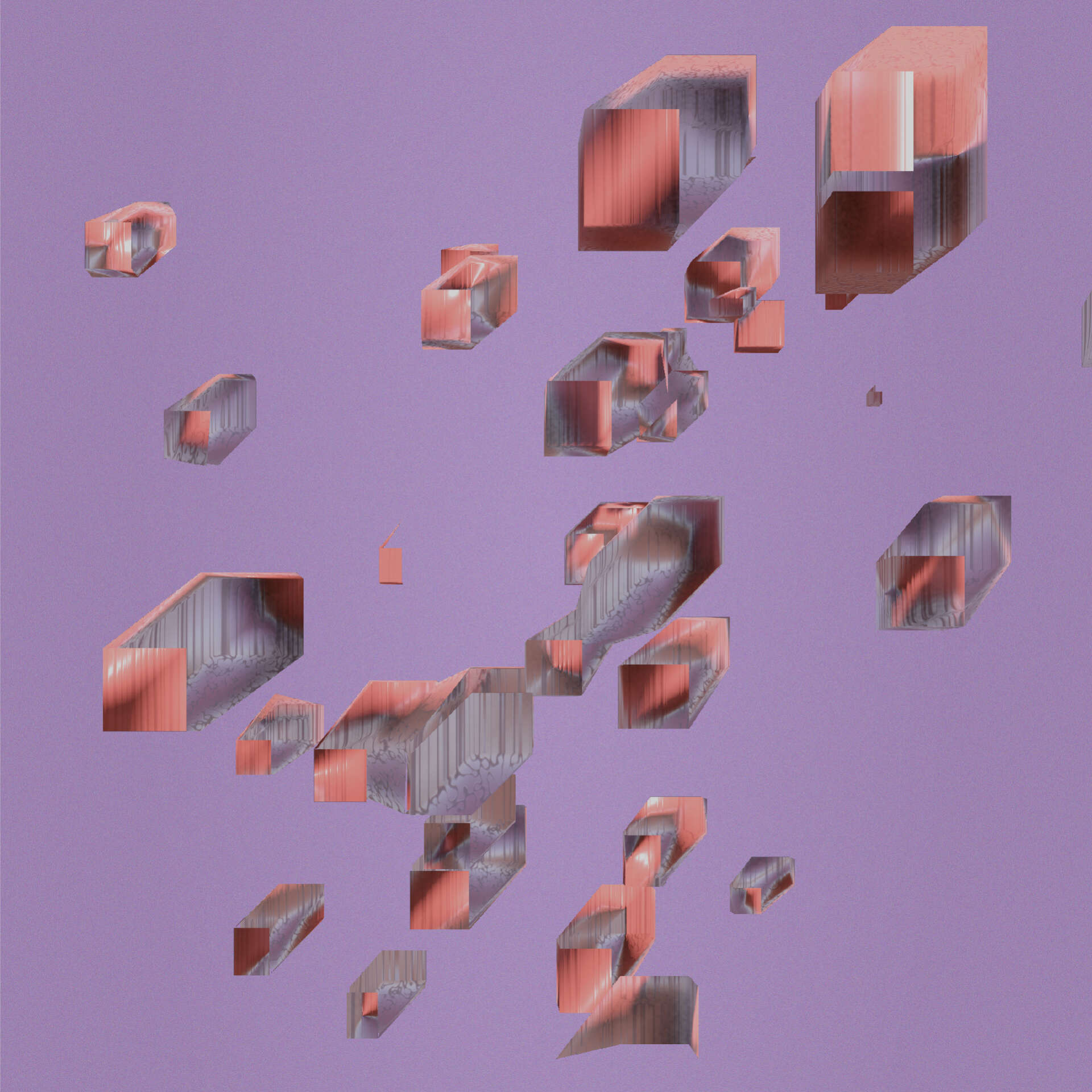
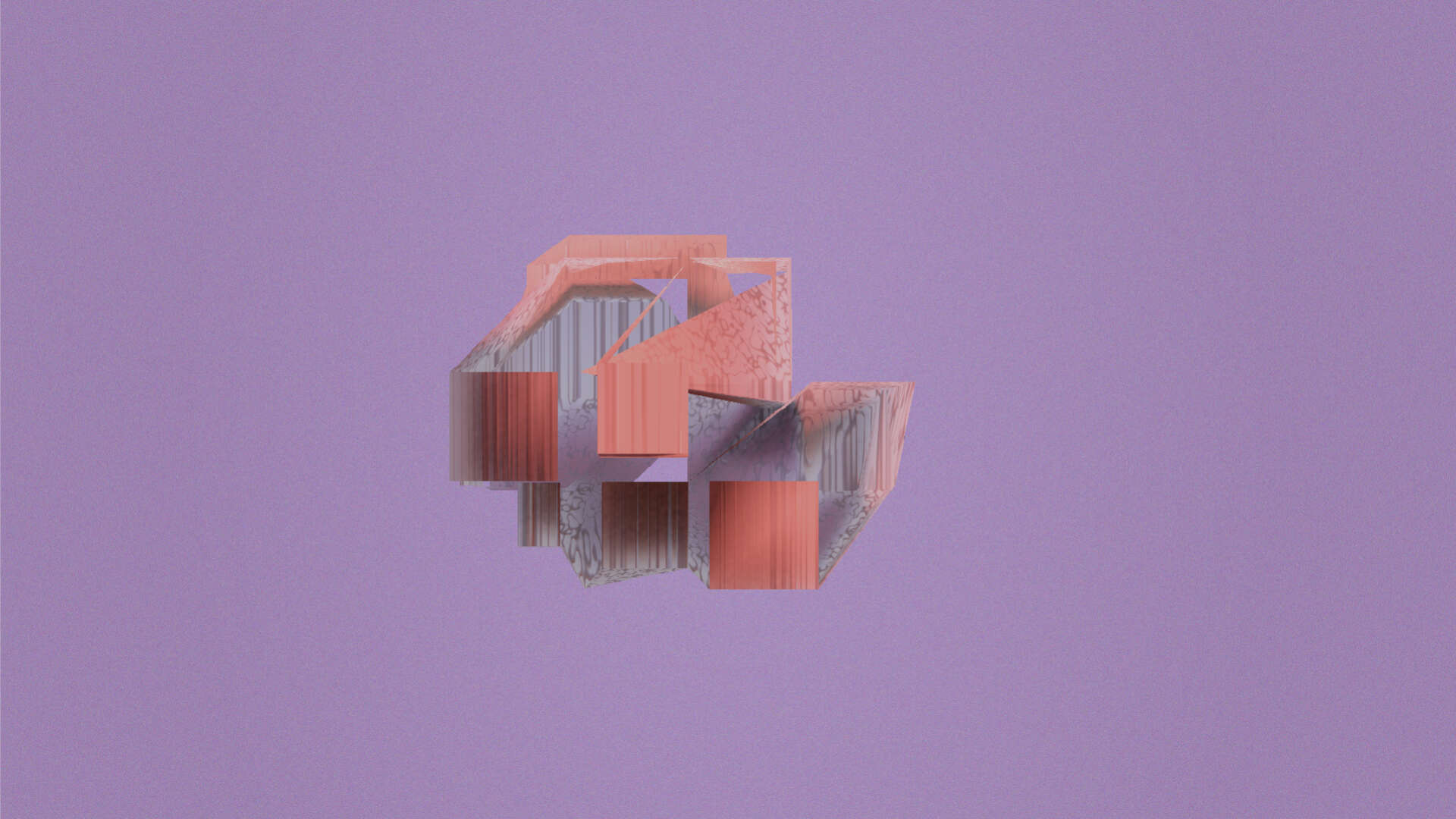
The artwork’s centrepieces are three biomechanical ‘organs’ resting on plinths. The organs leverage biomechanical aspects of human anatomy to transmit sound through the viscera, rather than the ears. Their form – tentacular, bone-like and cyber-organic – conjures up an ancient otherworldly body part, a symbol of a yet-unimagined form of embodiment. As a visitor picks up an organ and holds it against their bodies, this envelops their chest and neck by means of tentacles that spread onto embedded acoustic transducers. The organ’s contact with the body blurs the line between symbiosis and parasitism.
In standalone mode, a custom AI trained on the artist’s heartbeat, respiration and blood flow, generates a sound composition that the organs diffuse inside the visitors’ bodies. Visitors do not hear the sound, but perceive it internally; sound is multidimensional and spread within the body by means of bone conduction, haptics and resonances of the body’s internal flesh tissues. In a somatic experience that is magical and uncanny at the same time, their bodies become amplifiers.
During an activation, visitors encounter a masked performer sitting among the plinths. The performer embodies a strange creature, donning a ceremonial, eyeless mask and wearing an electronic circuit, a biosensor, on its heart. The creature invites visitors to approach and touch its hands. As their fingers touch, the organ starts transmitting to the visitor’s body live sounds from the creature body.
The creature’s heartbeat, blood flow and respiration sounds, flow into the visitor’s through the organs. As this sonic interchange happens, the subtle hands contact unfolds into a micro-choreography of closeness; the creature and the visitor communicate through caresses and gentle touches, developing their own form of language. As the interaction unravels the visitor and the creature’s bodies merge in a poetic suspension.
Marco Donnarumma is an artist, stage director, inventor and theorist. His oeuvre confronts normative body politics with uncompromising counter-narratives, where bodies are in tension between control and agency, presence and absence, grace and monstrosity. He is best known for using sound, AI, biosensors and robotics to turn the body into a site of resistance and transformation. He has presented his work in thirty-eight countries across Asia, Europe, and North and South America, and is the recipient of numerous accolades, most notably the Prix Ars Electronica’s Award of Distinction in Sound Art 2017, the German Federal Ministry of Research and Education’s Artist of the Science Year 2018, and a Hyundai ZER01NE Creator grant in 2024. Donnarumma was named a pioneer of performing arts with advanced technologies by the major national newspaper Der Standard, Austria. His writings are published in Frontiers in Computer Science, Computer Music Journal and Performance Research, among others. He runs the performance group Fronte Vacuo with Margherita Pevere.
Lestes is an artwork and production by Marco Donnarumma. It was commissioned by LAS Foundation, Berlin and realised with scientific support by the Intelligent Instruments Lab at the Iceland University of Arts in Reykjavík. Early research for this project was funded by ZER01NE, Seoul.
Concept, artistic direction, music and programming: Marco Donnarumma
Organs’ concept, design, morphology, engineering, fabrication and AI programming: Marco Donnarumma
Collaborative research on hardware and AI software: Intelligent Instruments Lab at the Iceland University of the Arts
Organs’ 3D modelling and 3D printing: Christian Schmidts
Artwork’s description texts: Marco Donnarumma
Photography: Marco Donnarumma, Joy von Tiedemann
External eye: Margherita Pevere